
About hearing loss
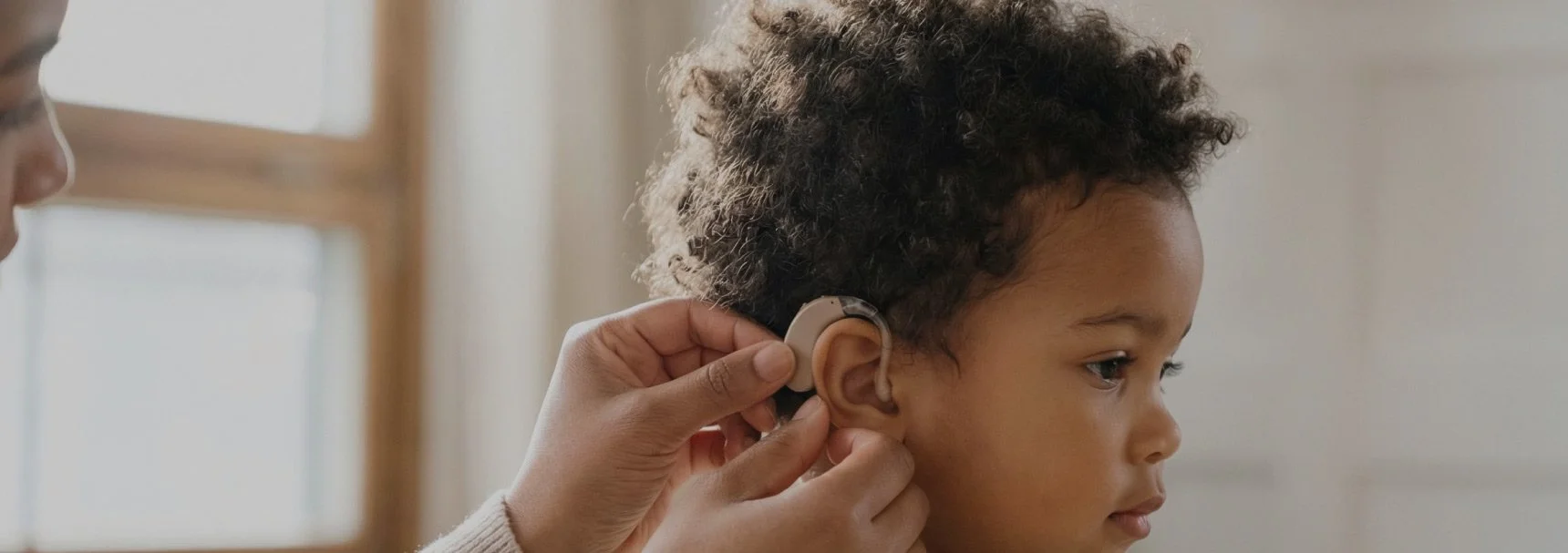
UNDERSTANDING HEARING LOSS
Hearing loss in children can look different from one child to another. It may be present at birth or develop later due to illness, genetics, or other medical factors. The degree and type of hearing loss can vary, and each child’s experience is unique.
This page shares general information to help families better understand the basics of childhood hearing loss.
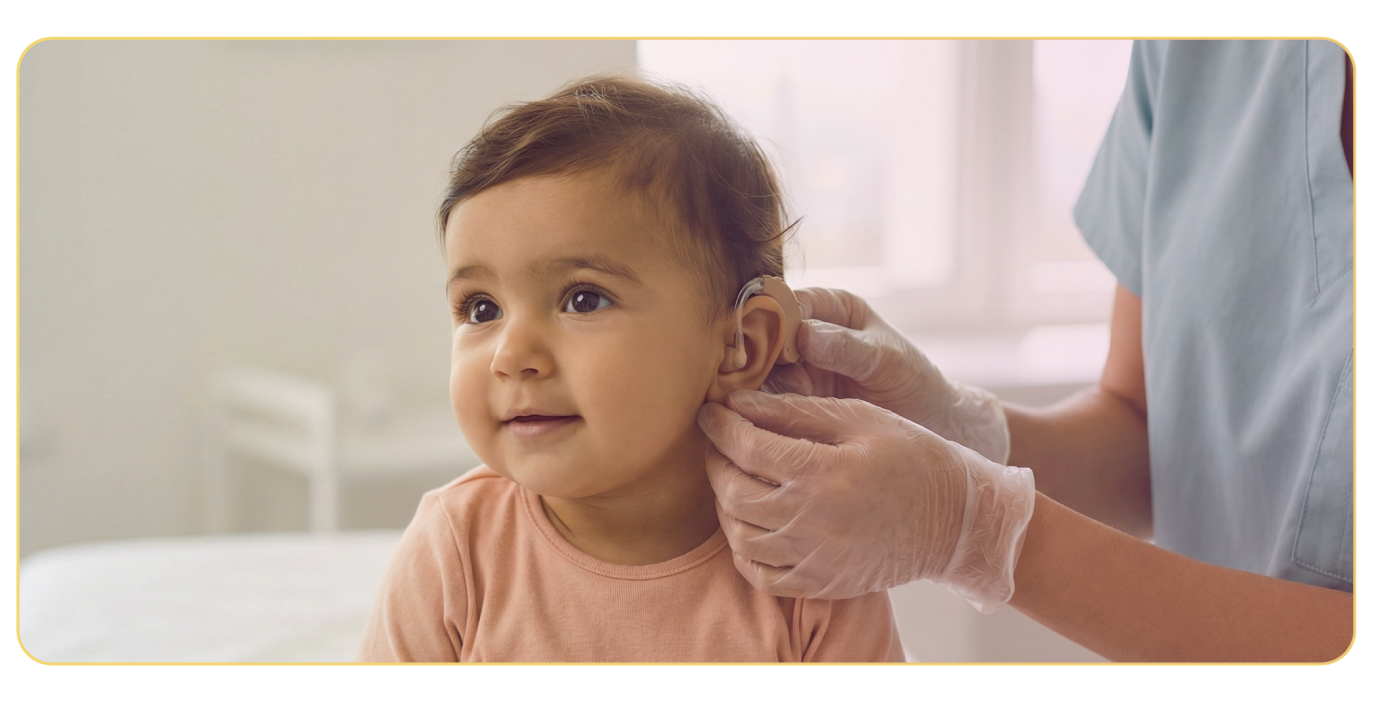
What is hearing loss?
Hearing loss occurs when part of the ear or hearing system is not functioning as it typically should. It may affect one ear (unilateral hearing loss) or both ears (bilateral hearing loss). Some children may experience mild difficulty hearing certain sounds, while others may have more significant hearing challenges.
Hearing plays an important role in speech, language development, learning, and social interaction, especially during early childhood.

Types of Hearing Loss
CONDUCTIVE HEARING LOSS
This occurs when sound cannot pass efficiently through the outer or middle ear. It is sometimes temporary and may be caused by infections, fluid, or structural differences.
SENSORINEURAL HEARING LOSS
This involves the inner ear or auditory nerve. It is often permanent and may be caused by genetic factors, illness, or injury.
MIXED HEARING LOSS
A combination of both conductive and sensorineural hearing loss.
DEGREES OF HEARING LOSS
mild
Difficulty hearing softer sounds
MODERATE
Speech may be harder to understand without support.
Severe
Most speech may not be heard clearly without amplification
Profound
Very limited or no ability to hear sounds
A qualified medical professional can assess and determine the type and degree of hearing loss through appropriate testing.
Possible Signs in children
Early signs of hearing loss may vary depending on a child’s age. Some common signs can include:
• Not responding to sounds or their name
• Delayed speech development
• Frequently asking for repetition
• Turning up the volume on devices
• Difficulty following conversations
If parents or caregivers have concerns, seeking professional evaluation is important.

SUPPORT AND CARE
Children with hearing loss may benefit from different types of support depending on their individual needs. This can include hearing aids, cochlear implants, speech therapy, early intervention programs, and educational accommodations.
Every child’s path is different, and decisions are made in consultation with qualified audiologists, ENT specialists, and medical professionals.
Disclaimer
The information shared here is for general awareness purposes only. It is not intended to replace medical advice, diagnosis, or treatment.
Families are encouraged to consult qualified healthcare professionals for guidance specific to their child’s needs.
OTHER RESOURCES
The following organisations provide trusted, publicly available information about hearing loss in children.
-
Global overview of hearing loss, causes, prevention, and statistics.
-
Information about hearing loss in children, screening, and early signs.
-
Research-based information about hearing and related conditions.
-
Clear, simple explanations written in accessible language.
https://www.nhs.uk/conditions/hearing-loss/
-
Information about hearing health and the role of audiologists.
-
-