
About cochlear implants

WHAT IS A COCHLEAR IMPLANT?
A cochlear implant is a medical device that may help individuals with severe to profound hearing loss access sound. Unlike hearing aids, which amplify sound, a cochlear implant works by directly stimulating the auditory nerve.
Cochlear implants are typically considered when hearing aids are no longer providing sufficient benefit.

HOW IT WORKS
A cochlear implant has two main parts:
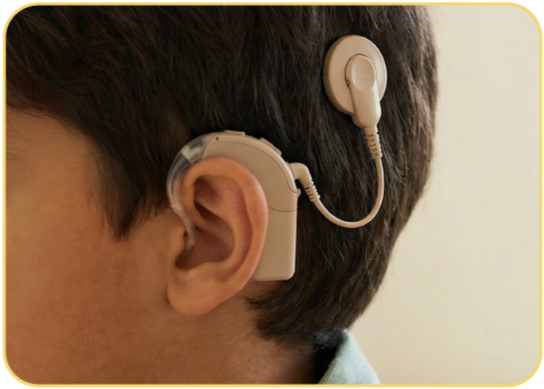
An external processor, worn behind the ear, which captures and processes sound
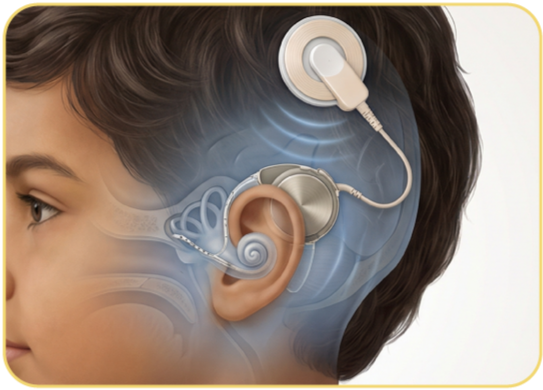
An internal implant, placed surgically under the skin, which sends signals to the auditory nerve
Who May Be A Candidate?
Cochlear implants are generally considered for individuals who:
• Have severe to profound hearing loss
• Receive limited benefit from hearing aids
• Meet medical and audiological criteria determined by specialists
Eligibility is assessed through medical evaluation, hearing tests, and professional consultation.
THE EVALUATION PROCESS
Before receiving a cochlear implant, families typically go through:
Hearing assessments
Medical examinations

Discussions with ENT specialists and audiologists
Imaging tests in some cases



AFTER IMPLANTATION
Following surgery, the implant must be programmed and adjusted. Ongoing support may include:
• Regular follow-up appointments
• Device programming (mapping)
• Speech and auditory therapy
Outcomes can vary from one individual to another.
Disclaimer
The information shared here is for general awareness purposes only. It is not intended to replace medical advice, diagnosis, or treatment.
Families are encouraged to consult qualified healthcare professionals for guidance specific to their child’s needs.
Other Resources
The following organisations provide trusted, publicly available information about cochlear implants and related care.
These links are shared for general awareness.
-
Clear, accessible explanation of what cochlear implants are and how they work.
-
Basic overview of cochlear implants from the U.S. National Library of Medicine.
-
General information about cochlear implants and communication options.
-
Research-based overview of cochlear implants and related topics.
-
Important information about cochlear implants.
https://www.fda.gov/medical-devices/implants-and-prosthetics/cochlear-implants